Flood damage can be devastating for any property owner in Boston. The city's unpredictable weather patterns can lead to sudden deluges, causing water intrusion and potential structural harm. When these events occur, swift action is important to mitigate the damage and ensure the health and safety of occupants.
Professional flood damage repair is the solution that offers Boston residents and businesses peace of mind. Local experts in water damage restoration have the specialized training and years of experience needed to handle these challenging situations. They provide emergency services, often offering same-day repair and remediation, according to customer reviews.
By partnering with top-rated local restoration companies, Boston property owners can expect expert care, from initial assessment to complete recovery. These professionals understand the urgency and emotional toll of water damage, providing efficient, effective solutions tailored to each unique incident.
- Assessing The damage: Boston's First Steps
- Safe Removal: Preventing Health Risks Naturally
- Restoring Structures: The Art of Drying and Repair
- Preventative Measures: Future-Proofing Against The damage
Assessing Water Damage: Boston's First Steps

When faced with floodwater, swift action is important to minimize the damage in Boston properties. The first step in the restoration process involves a thorough assessment by professionals. This critical phase determines the extent of the damage, guides the subsequent cleanup, and aids in setting restoration priorities. Expert assessors consider several factors, including water sources, the age and type of affected materials, and the time elapsed since the flood. Water from a sewer backup carries hazardous bacteria and requires immediate decontamination, a process that differs from mitigating water from a broken pipe.
Boston's diverse weather patterns make it prone to various the damage scenarios. According to the National Weather Service, Boston averages over 40 inches of precipitation annually, much of it in the form of rain. The city's historic buildings, while charming, may possess older plumbing and construction materials more susceptible to the damage. In such cases, professional assessors employ advanced moisture meters and thermal imaging to pinpoint hidden issues, ensuring every corner of the property is accounted for. Once the assessment is complete, a detailed report is presented to the property owner, outlining the recommended restoration steps, including specialized carpet drying services for commercial spaces, as seen with the success of Property Restoration of the Capital Region in Austin.
The assessment phase is a critical component of the damage restoration, serving as the foundation for an effective recovery plan. It's essential to engage licensed professionals who understand the unique challenges of Boston's climate and building stock. Their expertise ensures that the restoration process is efficient, comprehensive, and tailored to each property's needs, minimizing downtime and potential secondary damage. This proactive approach is key to protecting valuable assets and ensuring the health and safety of occupants after a flood event.
Safe Removal: Preventing Health Risks Naturally
When dealing with flood damage, a natural first instinct is to act quickly. However, rushing to fix the problem without proper precautions can exacerbate health risks for occupants and leave behind hidden dangers. Mold growth, for instance, thrives in water-saturated environments, and can begin within 24 to 48 hours. This is why safe removal and the damage prevention in El Paso are paramount.
Commercial carpet drying in Austin and drywall damage repair in El Paso aren't just about restoring aesthetics; they're critical for mitigating health hazards. Property Restoration of the Capital Region, a top-rated business known for its expertise, emphasizes the importance of using natural methods to prevent these risks. This includes employing dehumidifiers with HEPA filters, which remove airborne mold spores and other pollutants. A study by the American Indoor Air Quality Association found that HEPA filters can reduce airborne mold by up to 99.97%.
Beyond equipment, natural the damage prevention in homes involves proactive measures. Regular maintenance, like cleaning gutters and fixing leaks, can significantly reduce the chances of catastrophic flooding. In fact, according to the National Weather Service, simple preventive actions can cut the risk of home the damage from floods by up to 70%. By combining these natural methods with professional restoration services, residents can ensure their homes and businesses are safe and healthy after a flood, avoiding the long-term costs and discomfort of extensive the damage repairs.
Restoring Structures: The Art of Drying and Repair
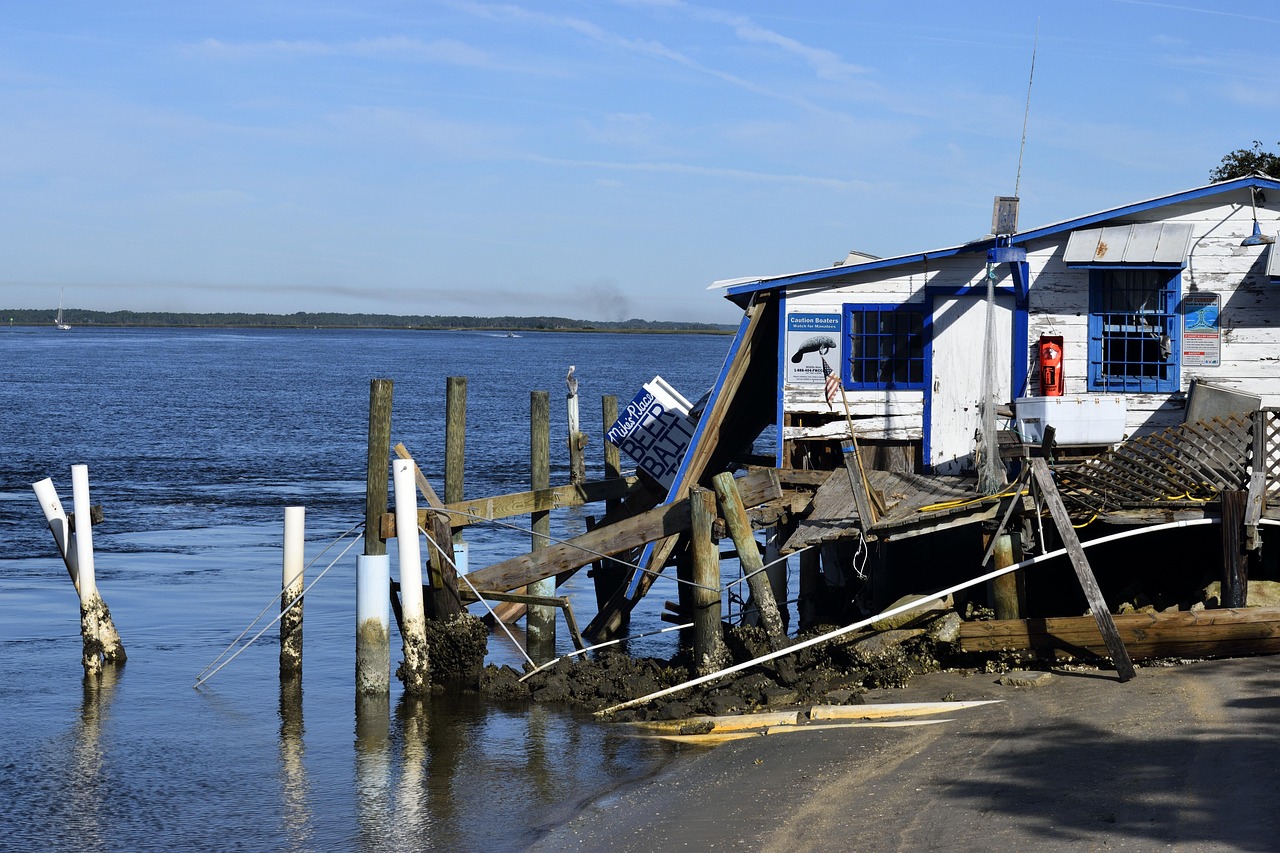
Restoring structures after the damage is a delicate process that requires specialized skills and equipment. In Texas, where flooding is a recurring issue, the need for efficient the damage restoration is critical. Consider a recent study by the National Weather Service, which reported that nearly 20% of all disaster events in Texas over the past decade were related to flooding, causing significant property damage. When water infiltrates a building, it doesn't just affect the visible areas; it can seep into walls, insulation, and flooring, creating a complex environment for restoration.
The first step in restoring water-damaged structures is water extraction, a critical phase often handled by specialists like the ones at Property Restoration of the Capital Region. These experts employ advanced equipment, such as industrial pumps and dehumidifiers, to remove standing water and excess moisture. A 2020 report by the Insurance Information Institute highlighted that prompt water extraction can reduce the cost of the damage restoration by up to 40%. After water extraction, the real challenge begins: drying the structure. A delay in this process can lead to the growth of mold and mildew, which can be detrimental to both the structure and the health of its occupants.
The art of drying involves more than just turning on fans. It requires a strategic approach, including the use of dehumidifiers, air movers, and specialized materials to absorb moisture. In the case of plumbing leak repair in Dallas, a thorough understanding of the damage restoration techniques can prevent the spread of moisture to adjacent areas, minimizing the overall scope of the repair. Restoring water-damaged walls is a meticulous process, often requiring the replacement of drywall and insulation. The goal is not just to fix the visible damage but to address the underlying issues to prevent future problems. This includes ensuring that the structure is properly ventilated and that any source of persistent moisture is addressed, such as a hidden plumbing leak in San Antonio. By following these steps and employing the expertise of local restoration companies, Texas residents can effectively restore their homes and businesses to their pre-damage condition.
Preventative Measures: Future-Proofing Against Water Damage
Preventative Measures: Future-Proofing Against The damage
The damage in homes and businesses is a common yet costly problem, with average restoration expenses reaching nearly $20,000 as of 2022. However, proactive steps can significantly reduce these losses. Regular plumbing maintenance in Houston has proven effective in preventing blockages and overflows, the primary causes of many the damage incidents. Local experts like Property Restoration of the Capital Region emphasize the importance of annual inspections and cleaning to ensure pipes function bestly.
In commercial settings, such as offices in Austin, regular flood damage restoration simulations and training can prepare staff for rapid response. This includes learning how to shut off power and water supplies immediately to limit damage. For residential properties, Corpus Christi residents have benefited from advanced water extraction systems that can dry out homes within 24 to 48 hours, minimizing mold growth and structural decay.
The key to future-proofing against the damage lies in a multi-faceted approach. Regular plumbing maintenance for prevention, as practiced in Houston, combines with advanced technology for extraction and faster drying, as seen in Corpus Christi. Proactive training, as done in Austin's commercial spaces, ensures that everyone knows their role during an emergency. By integrating these measures, businesses and homeowners can not only reduce the damage but also protect their investments and peace of mind.
Frequently Asked Questions About professional flood damage repair Boston
What happens after a flood strikes Boston? After a flood, immediate action is important. The first steps involve turning off the main power and water supplies to prevent further damage. A professional assessment is essential to determine the extent of the damage. Boston's climate demands swift action, as prolonged moisture fosters mold growth and structural deterioration. A licensed flood damage repair service will begin drying out the property and implementing specialized restoration techniques tailored to the specific water source and material affected.
How do I know if I need professional help? Flooding can cause diverse and complex damage. If water has infiltrated electrical systems, structural elements, or valuable possessions, professional help is advisable. Structural integrity is paramount; a qualified contractor will assess for foundation shifts, wall damage, and potential safety hazards. Professional restoration services have the equipment and expertise to handle mold remediation, a significant health concern following floods.
What should I look for when choosing a flood damage repair service? Check for licenses, certifications, and affiliations with industry-recognized organizations. Verify their experience handling local flood events and ask for references. Ensure they offer a comprehensive range of services, including water extraction, drying, decontamination, and reconstruction. A reputable service will provide a detailed, itemized estimate and be insured to protect against liability.
When is it safe to return home after a flood? Safety should always be the top priority. Do not enter your property until it has been declared safe by local authorities or a professional inspector. Even when the initial floodwaters have receded, residual moisture and potential structural shifts can pose risks. A professional assessment will ensure any hidden dangers, like weakened structures or hazardous materials, are identified and addressed before you or your family re-enter.
Can flood damage be completely restored? Complete restoration is feasible, but the outcome depends on several factors, including the severity of the flood, the time between the event and mitigation, and the property's construction. Professional services use advanced equipment to expedite drying and minimize mold growth. However, in cases of extensive damage, structural changes might be necessary, impacting the property's future value.
What is the average cost of flood damage repair in Boston? The average cost varies based on the property's size, the extent of damage, and the complexity of the repair. According to a 2022 survey, the median cost for flood damage restoration in Boston ranges from $20,000 to $40,000. However, for severe cases involving structural repairs and extensive mold removal, costs can exceed $100,000. Prompt action and professional expertise are key to minimizing these expenses.
As we've explored the field of the damage restoration, from Boston's specific challenges to the latest techniques in drying and repair, a clear picture emerges. First, understanding the damage is key; assessing the extent and sources is important for effective mitigation. Next, safety is paramount; proper removal methods not only protect property but also prevent health risks associated with mold and bacteria. The art of restoration involves specialized equipment and years of experience to ensure structures are not only dried but also properly repaired. Finally, preventative measures offer the most natural and lasting protection against future the damage, making investment in these strategies a wise decision for any homeowner or business. By embracing these insights and applying them, Boston property owners can handle the damage with confidence, knowing their spaces will be restored to their pre-loss condition, and they'll be better prepared for whatever the future may hold.
In Boston, the damage restoration requires swift, professional assessment to determine the extent of the damage from various sources, such as sewer backups and broken pipes. Advanced moisture meters and thermal imaging are used to uncover hidden issues. A detailed report outlines restoration steps, with specialized services like carpet drying for commercial spaces. This proactive approach minimizes downtime, secondary damage, and health risks, protecting valuable assets and ensuring safety.
In El Paso, the damage prevention involves using natural methods like HEPA filters to reduce mold growth and health hazards. Regular maintenance, such as gutter cleaning and leak repairs, can significantly reduce the risk of catastrophic flooding, with the National Weather Service reporting that preventive actions can cut home the damage risks by up to 70%.
In Texas, the damage restoration is critical due to frequent flooding. Efficient restoration involves water extraction, strategic drying, and addressing underlying issues. Prompt extraction can reduce restoration costs by up to 40%, and regular plumbing maintenance in Houston has proven effective in preventing common the damage incidents. Corpus Christi has adopted advanced water extraction systems, while Austin's commercial spaces benefit from flood damage restoration simulations and training. A multi-faceted approach combining prevention, advanced technology, and training ensures reduced the damage and protects investments.