




Water damage is a significant concern for Seattle homeowners due to rainfall and plumbing leaks. Immediate response is critical to minimize restoration costs and prevent mold growth and structural deterioration. Natural water damage restoration methods in Seattle eliminate harsh chemicals and focus on eco-friendly practices. Property Restoration of the Capital Region specializes in using advanced drying technologies and eco-conscious cleaning products to reduce costs and environmental impact. Key prevention strategies include sealing entry points, proper drainage, quick carpet cleanup, and smart home technology with moisture sensors.
Water damage restoration is a critical service in any community, particularly in regions prone to floods or severe weather events like Seattle. The city’s frequent rainfall and potential for plumbing disasters make water damage a natural concern for homeowners and businesses alike. Untreated water damage can lead to significant structural issues, mold growth, and health hazards.
This article delves into the comprehensive guide to affordable water damage restoration in Seattle, offering practical insights and expert advice to navigate this challenging situation effectively, ensuring properties are restored naturally and efficiently.
- Understanding Water Damage in Seattle Homes
- The Natural Approach to Restoration Methods
- Step-by-Step Guide: Restoring Your Property
- Preventing Future Water Damage: Tips & Tricks
Understanding Water Damage in Seattle Homes
Water damage is a significant concern for many Seattle homeowners, given the region’s frequent rainfall and potential plumbing leaks. Understanding water damage in Seattle homes involves recognizing both immediate and long-term effects. Rapid response is crucial to minimize restoration costs and prevent further complications like mold growth and structural deterioration. According to recent studies, about 85% of water damage claims in Washington state are due to burst pipes or heavy rainfall events, underlining the need for prompt action when facing water intrusion.
The unique climate in Seattle contributes to higher humidity levels, making homes more susceptible to moisture-related issues. For instance, a 2021 survey by the National Weather Service revealed that Seattle experiences an average of 37 inches of precipitation annually, much of it falling as rain. This high rainfall can lead to saturated soil around foundation walls, increasing the risk of basement flooding and subsequent water damage. Homeowners should be vigilant during heavy weather, checking for any signs of leaks or unusual moisture buildup.
Effective water damage restoration involves not just repairing immediate issues but also addressing underlying causes. For example, after a plumbing leak repair in Dallas or a burst pipe incident in Houston, professional drying services are essential to prevent mold growth. Texas-based companies like those offering carpet drying services are well-equipped to handle such emergencies. Similarly, Property Restoration of the Capital Region specializes in comprehensive water damage restoration, ensuring homes in Seattle and beyond are returned to their pre-loss condition. This includes utilizing advanced equipment for efficient drying, as well as meticulous cleaning and sanitization to restore air quality and prevent health risks associated with moisture intrusion.
The Natural Approach to Restoration Methods
In the realm of water damage restoration, a natural approach offers both ecological benefits and effective solutions, especially in cities like Seattle where environmental consciousness is paramount. This method prioritizes eco-friendly practices, ensuring that homes and businesses are restored while minimizing environmental impact. One of the key advantages of this strategy is its focus on water damage naturally, eliminating harsh chemicals often used in traditional restoration processes.
For instance, consider a scenario where a kitchen flood occurs in Corpus Christi, requiring swift cleanup and restoration. Instead of relying solely on chemical-based solutions, professionals employing natural methods might use enzymatic cleaners that break down organic matter effectively without leaving toxic residues. This approach is equally valuable when dealing with water-damaged furniture in El Paso. Restoring these items naturally involves using non-toxic wood preservatives and specialized drying techniques to minimize the environmental footprint while ensuring the furniture’s longevity.
Property Restoration of the Capital Region, a trusted name in the industry, aligns with this philosophy by offering natural disaster recovery solutions tailored for each unique situation. Their expertise lies in understanding the specific challenges posed by water damage in diverse climates, such as heavy rainfall events common in Seattle and surrounding areas. By leveraging advanced drying technologies, dehumidification techniques, and eco-conscious cleaning products, they ensure that properties are restored to their pre-damage condition while preserving the health of occupants and the environment.
Moreover, a natural approach can significantly reduce costs associated with water damage restoration, especially when compared to extensive repairs required after using harsh chemicals. For example, San Antonio-based water damage contractors who specialize in this method may charge lower rates due to decreased material and labor costs, making disaster recovery more affordable for homeowners and businesses alike. This not only benefits the pocketbook but also contributes to a more sustainable and resilient community.
Step-by-Step Guide: Restoring Your Property

Water damage is a common yet stressful occurrence for many Seattle residents. Restoring your property from water damage naturally involves a systematic approach to mitigate losses and ensure a healthy environment. Here’s a step-by-step guide tailored to the unique challenges of Seattle properties, incorporating best practices and expert insights.
Step 1: Assess the Damage Begin by evaluating the extent of the water intrusion. Identify sources like burst pipes (plumbing leak repair Dallas), heavy rainfall (home flooding prevention Houston), or kitchen floods (kitchen flood repair Arlington). Take inventory of damaged areas, noting levels of moisture and potential structural issues. Use tools like moisture meters to gauge humidity levels, ensuring you have accurate data for effective decision-making.
Step 2: Protect Yourself and Your Property Before diving into restoration, prioritize safety. Water damage can introduce mold, bacteria, and other hazards. Wear protective gear including gloves, masks, and eye protection. Remove valuable items and furniture from affected areas to prevent further contamination and damage. For larger projects, consider evacuating the premises temporarily until the immediate danger subsides.
Step 3: Stop the Water Source If possible, locate and shut off the primary water supply to your home (or at least the affected area) to prevent further flooding. This step is crucial in kitchen or plumbing leak repair Arlington situations. Even after the initial water flow stops, check for hidden leaks or ongoing seepage that requires professional plumbing services.
Step 4: Remove Standing Water and Wet Materials Use buckets, mops, or a submersible pump to remove standing water carefully. For deeper water, employ a wet/dry vacuum designed for water extraction. Next, remove wet materials like carpeting, padding, drywall, and furniture. Dispose of contaminated items responsibly, following local waste management guidelines. In homes where kitchen flood repair Arlington is necessary, be particularly cautious around electrical hazards and non-waterproof materials.
Step 5: Dry Out Your Property Proper drying is essential to prevent mold growth and structural damage. Use fans, dehumidifiers, or air movers to accelerate the drying process. Place fans strategically to circulate air throughout affected areas. Keep doors open between rooms to promote cross-ventilation. Monitor humidity levels with a moisture meter until they reach safe, dry standards (typically below 60% relative humidity). Consider engaging Property Restoration of the Capital Region for professional assistance, especially in large or heavily damaged properties.
Step 6: Disinfect and Deodorize Once everything is thoroughly dry, disinfect surfaces with a solution of water and approved disinfectant cleaner to kill bacteria and viruses. Use a sponge or cloth to apply the solution, ensuring you cover all visible areas. Let the disinfection solution sit for the recommended time before wiping it away. To eliminate odors, use deodorizing sprays or natural methods like baking soda and essential oils.
Preventing Future Water Damage: Tips & Tricks
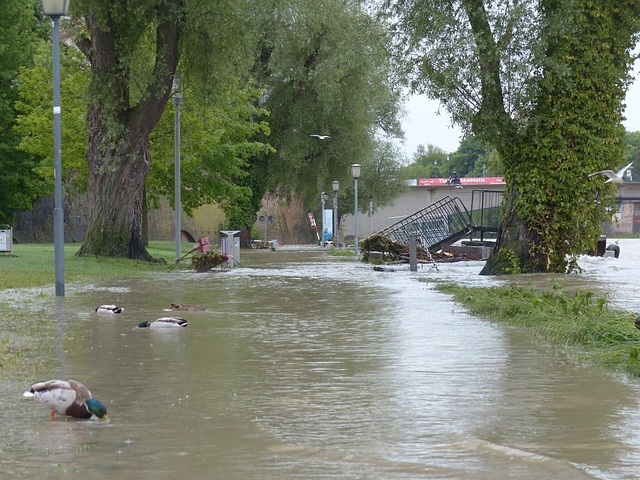
Preventing water damage is an essential aspect of home maintenance, especially in regions prone to weather-related issues like Seattle. By implementing proactive measures, homeowners can minimize the risk of costly repairs and distress caused by water intrusion. This section offers valuable insights into strategies that go beyond immediate disaster recovery, focusing on long-term solutions to keep your property safe from water damage naturally.
One of the primary steps in water damage prevention is addressing potential entry points. Regular inspection of your home’s exterior, particularly around windows, doors, and pipe fittings, can reveal vulnerabilities. Sealing these areas with high-quality caulk or weatherstripping creates a robust barrier against rain and moisture. For instance, in regions like Seattle where home flooding prevention is crucial, investing in water-resistant materials for these entry points can significantly reduce the chances of a flooded basement in Dallas or Plano.
Moreover, homeowners should consider the role of proper drainage in mitigating water damage risks. Ensuring that downspouts direct rainwater away from the foundation and that gutters are clear and functional prevents excess water from pooling around the home’s base. Regularly cleaning carpets after floods, such as those caused by heavy rainfall, is another critical practice. This quick action not only saves valuable furniture but also reduces the chances of mold growth, a common issue following water-related disasters in areas like Houston. The expertise of professionals like Property Restoration of the Capital Region can be invaluable during these cleanup processes, ensuring efficient carpet cleaning after flood events.
Additionally, implementing smart home technology can offer advanced warning and control over water damage potential. Smart sensors that detect moisture or leaks enable immediate action, allowing homeowners to address issues before they escalate. These systems, when integrated with smart thermostats, can also optimize energy usage during restoration processes, like drying out flooded areas in Plano. By combining natural prevention methods with modern technology, homeowners can effectively safeguard their properties and minimize the impact of water damage naturally and efficiently.
In addressing affordable water damage restoration in Seattle homes, this article has provided a comprehensive guide to understanding, preventing, and naturally restoring water damage. Key insights include adopting eco-friendly, step-by-step approaches that prioritize natural restoration methods. By recognizing the unique challenges of Seattle’s climate, homeowners can effectively navigate water damage through proactive measures. The natural approach to restoration involves using non-toxic solutions, minimizing disruption, and promoting sustainable practices. Readers now possess valuable knowledge on preventing future water damage through thoughtful design choices and regular maintenance. Armed with these insights, Seattle residents can confidently restore their properties, ensuring a healthier, more resilient home environment without relying heavily on chemical or invasive methods.