Water damage is a common yet devastating issue for homeowners and businesses across Chicago. The city's harsh winters and unpredictable weather patterns increase the risk of burst pipes, leaks, and flooding, leading to extensive the damage. This problem requires prompt and professional mitigation to prevent mold growth, structural damage, and health risks.
The challenge lies in finding reliable, local the damage restoration companies capable of handling these emergencies effectively. The solution? Comprehensive water mitigation services that offer same-day repair, emergency response, and specialized training to tackle any water-related disaster. By understanding the unique needs of Chicago's diverse neighborhoods, top-rated businesses provide vital support to their communities.
- Assessing The damage: Chicago's Natural First Steps
- Drying Out Safely: Water Mitigation Techniques
- Restoring Your Home: Beyond The damage Naturally
- Mold Prevention: A Critical Component of Water Mitigation
- Insurance and Repair: Navigating the Chicago The damage Field
Assessing Water Damage: Chicago's Natural First Steps

In the immediate aftermath of the damage, Chicago residents and businesses face a critical first step: assessing the extent of the harm. This natural initial response is important as it dictates the course of necessary repairs and recovery. Property Restoration of the Capital Region, for instance, emphasizes that a thorough assessment by a trained professional is the cornerstone of any successful water mitigation project.
The process involves meticulously examining the affected areas, from walls and floors to insulation and plumbing. Consider a common scenario: a burst pipe in an Arlington home. The first course of action is to stop the water flow and ensure the safety of occupants. Then, a detailed assessment reveals the full scope. Has the water penetrated through insulation, potentially fostering mold growth? Is there structural damage that requires replacement? In Houston, where plumbing maintenance is a regular necessity, a proactive approach to the damage assessment can prevent such issues from becoming long-term problems.
a 2020 study by the National Institute of Standards and Technology (NIST) found that prompt action—including bathroom mold abatement—can significantly reduce the cost and complexity of restoration. It's not just about saving money; it's about minimizing health risks associated with prolonged exposure to water and mold. The assessment phase, then, is not just about documenting damage but also about planning effective recovery strategies, ensuring that each step, from insulation replacement to plumbing repairs, is executed with the utmost efficiency and accuracy.
Drying Out Safely: Water Mitigation Techniques
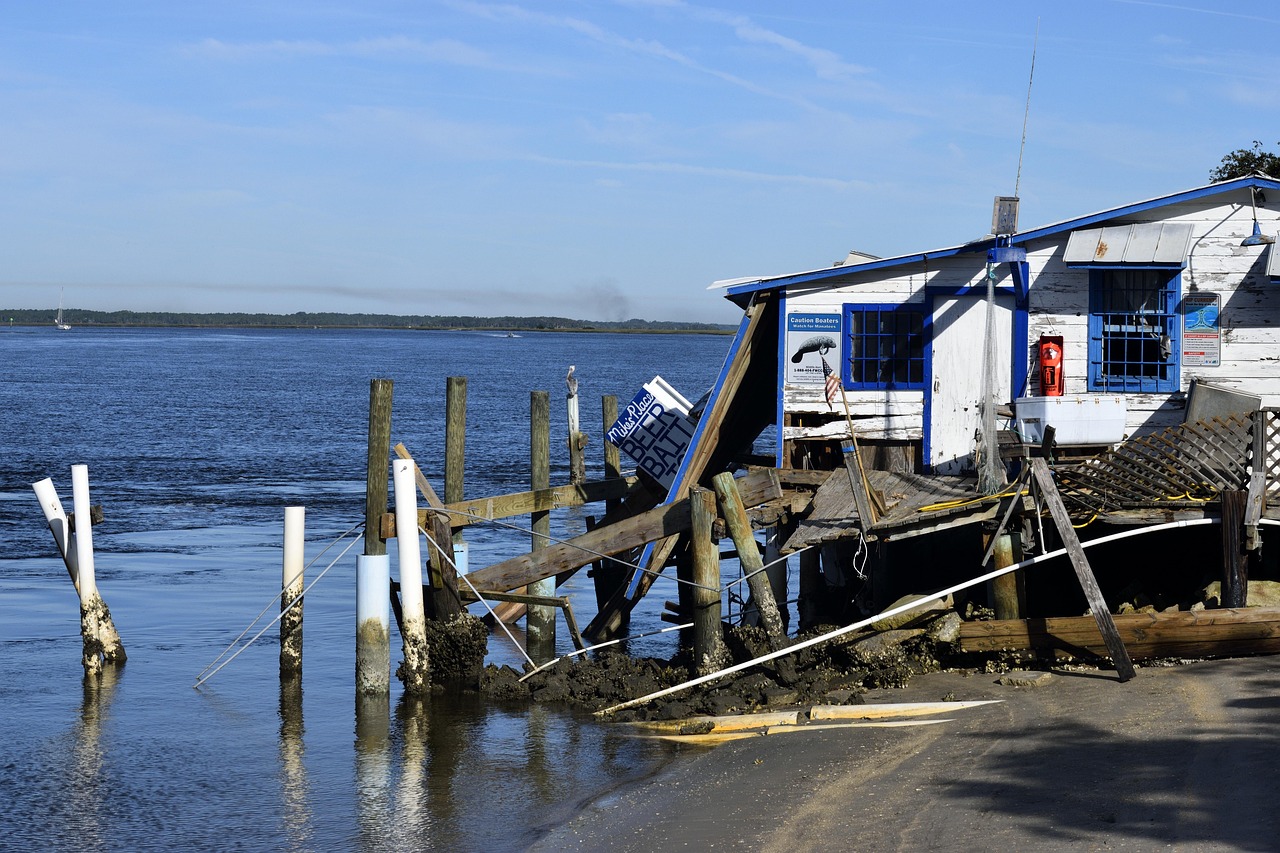
In the aftermath of the damage, one of the most critical steps is safe and efficient drying. The process of water mitigation involves specialized techniques to not only remove standing water but also to dry out the affected areas thoroughly. This is essential to prevent the growth of mold and mildew, which can cause further damage and pose health risks. A well-executed drying service, like those offered by Houston-based professionals, can make all the difference in the recovery process.
in the case of residential water extraction in Corpus Christi, a top-rated local restoration company will employ advanced equipment such as high-efficiency water extractors and air movers. These tools work in tandem to quickly remove moisture from walls, floors, and other surfaces. The extractors suck up water, while the air movers circulate dry air to expedite the drying process. This method is particularly effective for large-scale the damage, ensuring that every inch of affected space is treated. Once the extraction is complete, the real work begins: the meticulous process of drying out the property.
In Plano, where humidity levels can make indoor drying challenging, mold abatement is a primary concern. Property Restoration of the Capital Region and other experts emphasize the importance of using dehumidifiers alongside air movers. Dehumidifiers extract moisture from the air, reducing humidity and allowing for faster drying. This dual-approach ensures that both visible water is removed and hidden moisture is addressed, preventing the conditions that foster mold growth. After drying, the property is ready for further restoration, ensuring that the damage is not just contained but completely eliminated.
A key aspect of successful water mitigation is understanding that every material and structure has a different drying time. Wood, for instance, can take up to several days to dry completely, while drywall may only need a few hours. Denver-based flood damage repair specialists advise monitoring the drying process closely, using moisture meters to ensure no pockets of wetness remain. This meticulous attention to detail ensures that the structure is safe to inhabit and that no residual moisture contributes to future issues, providing a solid foundation for the rebuilding process.
Restoring Your Home: Beyond Water Damage Naturally

Restoring your home after the damage is a multifaceted process, requiring a deep understanding of the underlying issues and a tailored approach to each situation. Beyond the immediate removal of water and affected materials, there's a critical need for natural, effective mitigation strategies to prevent further damage and promote a healthy living environment. This is where specialized services come in, offering expertise in addressing not just the visible effects but also the invisible ones, like basement water seepage in Irving, which can be a persistent problem without professional intervention.
Consider a scenario where wet carpet cleaning in San Antonio becomes a priority. While it may seem like a simple fix, the process involves more than just extraction. The goal is to not only remove moisture but also to kill mold and bacteria that can thrive in damp environments, a common issue in homes affected by the damage. This is where experienced contractors, like those from Property Restoration of the Capital Region, can make a significant difference. They employ advanced techniques and materials to ensure the affected areas are thoroughly dried and sanitized, minimizing the risk of long-term health issues and structural damage.
For commercial settings, such as offices in Austin, the challenges of the damage can be magnified. Large spaces, extensive flooring, and valuable equipment require swift and thorough action. Commercial carpet drying services, for instance, can significantly speed up the recovery process, preventing downtime and minimizing business interruptions. A recent study by the Insurance Institute for Business & Home Safety found that quick response and professional mitigation services can reduce the average cost of the damage restoration by up to 25%. This underscores the importance of enlisting the help of experts who understand the complexities of the damage naturally, ensuring your property is restored to its pre-loss condition efficiently and effectively.
Mold Prevention: A Critical Component of Water Mitigation
Mold prevention is a critical, often overlooked component of water mitigation. After the damage event, moisture left behind can fuel mold growth within 24 to 48 hours, according to the Environmental Protection Agency (EPA). This not only poses health risks to occupants but can also lead to extensive property damage and reduced home value. The problem is especially acute in humid climates like Chicago's, where the damage contractors frequently encounter homes with existing mold issues or those at high risk of developing them.
The damage contractors in San Antonio, Dallas, and El Paso alike face similar challenges. In these cities, where homes might be older or constructed from materials susceptible to mold (like drywall), emergency water removal is not enough. A comprehensive approach involving mold inspection, remediation, and prevention is essential. Property Restoration of the Capital Region emphasizes the importance of post-the damage assessments, identifying not only the source of the leak but also potential hidden moisture pockets that could encourage mold growth. They employ specialized equipment to monitor humidity levels and use proven remediation techniques to ensure a mold-free environment.
The long-term costs of neglecting mold prevention are significant. According to a 2019 study by the American College of Allergy, Asthma and Immunology (ACAAI), exposure to mold can lead to a range of health issues, from respiratory problems and allergies to more severe, chronic conditions. By integrating mold prevention strategies into every the damage restoration project, professionals can protect both the health of the occupants and the structural integrity of the property. This includes using anti-mold treatments, sealing affected areas, and implementing preventive measures to deter future mold growth.
Insurance and Repair: Navigating the Chicago Water Damage Field
Navigating the Chicago the damage field requires a strategic approach, especially when dealing with insurance and repairs. In a city with diverse weather patterns, from severe storms to heavy snowmelt, the damage is a common concern. Homeowners and business owners alike must understand the process and their rights when facing this challenge. The first step is to assess the extent of the damage and determine the source, whether it's a burst pipe, flooded basement, or storm-related flooding.
Chicago residents should be aware that insurance companies have specific guidelines for the damage claims, often requiring immediate action to mitigate further losses. Documenting the damage with photos and videos is important, as it assists both the insured and the insurer in understanding the scope of work needed for repairs. Many local restoration companies, such as Property Restoration of the Capital Region, offer emergency services, ensuring swift response and containment. These professionals are trained to handle various the damage scenarios, from minor leaks to major flood events, as seen in the recent impact of severe storms in 2022.
The repair process involves multiple stages, including extraction, drying, and reconstruction. The duration of each stage depends on the water's source, the time since the incident, and the affected area's size. A flooded basement in a commercial building may require specialized equipment and a longer drying period compared to a residential kitchen leak. Reputable the damage remediation experts, like those in El Paso and Austin, employ advanced technology, such as industrial fans and dehumidifiers, to expedite the drying process. By the time the structure is dry, the restoration team can begin repairing or replacing affected materials, ensuring the property returns to its pre-loss condition.
When selecting a contractor, consider companies with a proven track record and positive customer reviews. In 2021, the Chicago area saw an increase in customer satisfaction ratings for local disaster recovery services, highlighting the importance of choosing experienced professionals. Remember, the damage can be a complex process, and seeking guidance from experts ensures a smoother transition towards restoration and a faster return to normalcy.
Frequently Asked Questions About comprehensive water mitigation Chicago
What is comprehensive water mitigation? Comprehensive water mitigation refers to a full-scale response to the damage, involving the assessment, cleanup, and restoration of affected areas. This includes removing standing water, drying out structures, and mitigating mold and mildew growth to prevent further damage and ensure a safe environment.
Why is prompt action important in water mitigation? Prompt action is vital to minimize damage and costs. According to the Insurance Institute for Business & Home Safety, quick response can reduce the average total loss from the damage by 25%. The longer water sits, the more it can infiltrate walls, floors, and furniture, leading to more extensive and costly repairs.
How do I know if I need professional help with water mitigation? If water intrusion is from a flooding event, such as a burst pipe or heavy rainfall, or if the damage is extensive (e.g., more than 100 square feet), professional help is usually required. A certified water mitigation contractor will have the specialized equipment, expertise, and experience to handle the situation effectively, reducing the risk of secondary damage and ensuring a faster recovery.
What services does a comprehensive water mitigation company offer? A comprehensive water mitigation service typically includes water removal, structure drying, dehumidification, mold remediation, and restoration of personal belongings. They may also provide odor control, content cleaning, and even temporary housing if necessary, ensuring a full recovery from water-related disasters.
How can I choose the right water mitigation contractor? Check for certifications (e.g., IICRC, NRCC), years in business, and customer reviews. The best contractors will have experience handling various the damage scenarios, use advanced equipment, and offer a detailed plan for the mitigation process, including estimated costs and timelines.
What should I do after a water mitigation service has left? After the service has completed its work, ensure the area is dry and well-ventilated. Check for any signs of mold or remaining moisture, and address them promptly. Keep an eye on your insurance claim, and remember to document all repairs and replacements for your records.
The damage restoration in Chicago, and beyond, requires a multifaceted approach. By understanding the initial assessment process, employing safe drying techniques, and prioritizing mold prevention, property owners can mitigate the impact of the damage naturally. The article has highlighted the importance of local expertise and customer reviews in selecting reputable restoration companies, such as the top-rated businesses in Chicago and Boston. It's important to remember that immediate action is key; same-day repair services can limit the damage, as demonstrated by San Francisco's emergency response. Navigating insurance claims and understanding the damage field is essential, as seen with Atlanta's decades of experience and Denver's specialized flood damage repair. In every step, from Austin to Miami, local experts emphasize the value of community support and the need for comprehensive water mitigation. The practical takeaways here offer a solid foundation for handling the damage naturally and effectively.
In the aftermath of the damage, Chicago residents and businesses must prioritize a thorough assessment to guide repairs. This involves examining walls, floors, insulation, and plumbing, as seen in Houston and Arlington examples. A proactive approach, as documented by a 2020 NIST study, can reduce restoration costs and health risks. The process includes specialized water extraction, drying, and mold abatement, with professionals like Property Restoration of the Capital Region offering advanced equipment and expertise. Quick action, as seen in Corpus Christi and Plano, is important, with moisture meters ensuring complete drying and preventing future issues. Restoring homes involves not just removing water but also addressing invisible issues like basement seepage and sanitizing affected areas. Neglecting mold prevention, highlighted by EPA and ACAAI studies, can lead to significant health risks and structural damage. Chicagoans should understand insurance guidelines, document damage, and engage experienced contractors for a successful recovery, as seen in 2021 customer satisfaction ratings.