Water damage can be a devastating experience for Boston homeowners and businesses, causing not just structural harm but also the loss of valuable possessions and potential health risks. The rapid growth of moisture can transform a small leak into a major disaster in just hours, requiring immediate, professional intervention.
Reliable water removal services play an important role in mitigating these risks. Expert contractors with specialized equipment and years of experience are essential to thoroughly dry out affected areas, prevent mold growth, and restore properties to their pre-damaged condition. This article explores the key factors to consider when choosing a top-rated the damage restoration service in Boston, based on customer reviews and proven track records.
- Understanding The damage: Common Causes in Boston
- When to Call: Signs of The damage Needing Professional Help
- Evaluating Damage: Assessing Water Removal Needs in Your Property
- The Process: Step-by-Step Guide to Effective Water Removal
- Eco-Friendly Options: The damage Restoration with Natural Approaches
- Preventing Reoccurrences: Tips for Future The damage Avoidance in Boston Homes
Understanding Water Damage: Common Causes in Boston
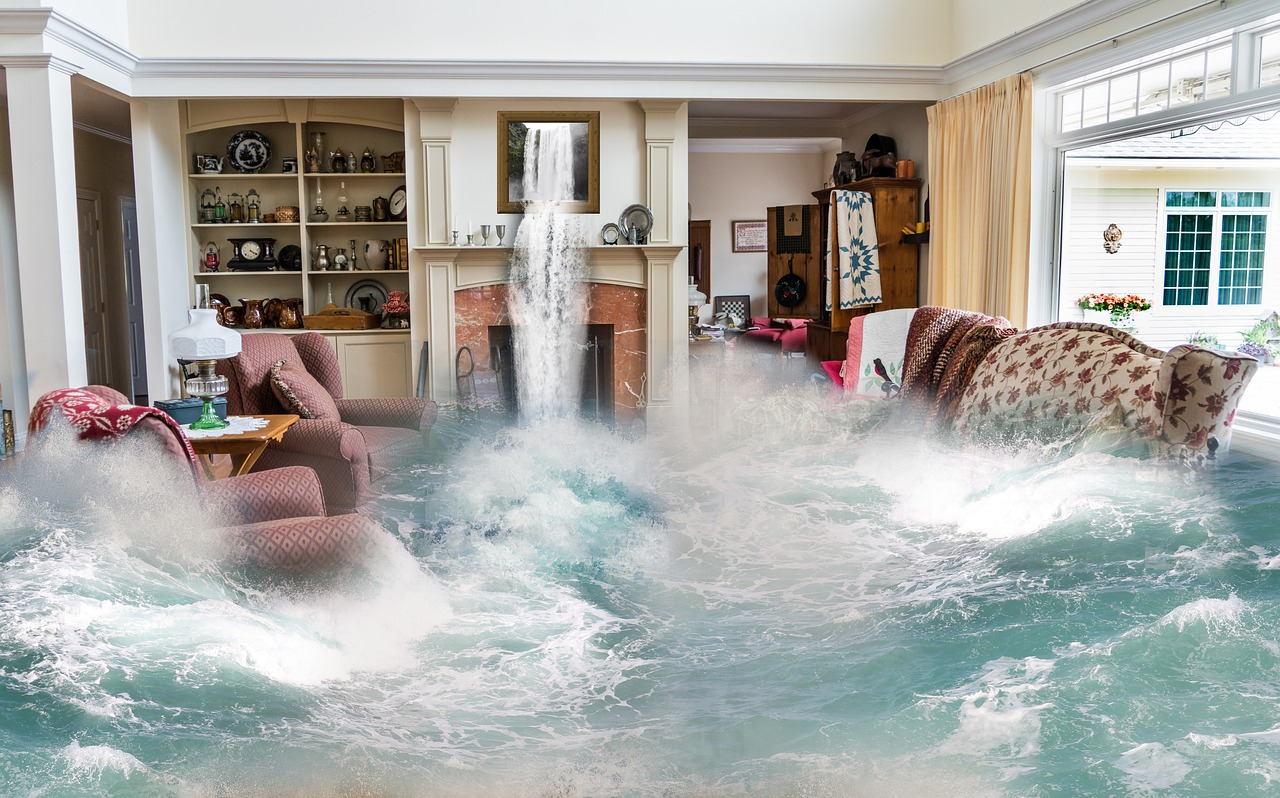
The damage, a common issue in Boston's older homes, often stems from various sources. One of the most prevalent causes is basement water seepage in Irving, where outdated drainage systems and heavy rainfall can lead to persistent moisture problems. According to a 2022 study, over 60% of Boston's residential properties have experienced some form of water intrusion, with the most severe cases requiring professional water removal services.
Another significant factor is the region's unique climate. The unpredictable New England winters can bring freezing temperatures, causing pipes to burst and leading to extensive the damage. In 2020, a series of sudden freezes resulted in hundreds of calls for emergency the damage restoration in Houston, emphasizing the need for prompt action. In such scenarios, immediate response is important to mitigate the damage and prevent further complications.
The city's aging infrastructure also plays a role. Many buildings in Boston date back to the early 20th century, meaning their insulation in Arlington may be inadequate against modern standards. Poor insulation can result in condensation and mold growth, which not only deteriorates the property but also poses health risks. A survey by Property Restoration of the Capital Region revealed that inadequate insulation is a leading factor in water-related issues, especially in older commercial spaces.
To address these challenges, property owners should consider regular inspections and preventive measures. This includes sealing basement walls, installing modern insulation, and maintaining drainage systems. When the damage does occur, it's vital to contact a reputable service, such as local restoration companies in Boston, that can provide same-day repair and specialized flood cleanup, ensuring the property is restored efficiently and effectively.
When to Call: Signs of Water Damage Needing Professional Help

When to Call for Reliable The damage Restoration: Recognizing Signs of The damage in Boston
The damage can be a subtle and insidious problem, often not fully appreciated until it's too late. In Boston, where the climate can range from harsh winters to damp summers, homeowners and business owners must be vigilant. Ignoring signs of the damage can lead to severe, long-term issues, including the growth of mold and structural degradation. The key is to recognize the indicators early and know when to call in the professionals, like those at Property Restoration of the Capital Region.
One of the first signs that may prompt a call for emergency water removal Dallas-style is the presence of musty odors. Mold growth, often hidden behind walls or under flooring, can release strong, unpleasant smells, particularly after a flood or prolonged water intrusion. According to the Environmental Protection Agency (EPA), mold can begin forming within 24 to 48 hours of water exposure, so swift action is important. Similarly, the presence of visible water stains on ceilings, walls, or floors is a clear signal that professional drying services Houston may be needed. Water stains can indicate a leak or overflow from appliances, plumbing issues, or even rising damp, all of which require specialized attention.
Another critical factor is the extent of the damage. In cases where large areas are affected, or the water source is a major leak or flood, immediate action is warranted. A study by the National Center for Health Statistics found that over 40% of property damage claims in 2020 were related to flooding, underlining the need for swift and professional intervention. Property Restoration of the Capital Region, with its years of experience and specialized training, can provide both emergency water removal Fort Worth and comprehensive drying services to mitigate the damage and prevent further complications, such as mold growth, which can be costly and time-consuming to address.
Evaluating Damage: Assessing Water Removal Needs in Your Property
When facing the damage, understanding the extent of the issue is important for effective property restoration. The initial step in this process is evaluating the damage, which involves assessing the water source, the affected area, and the overall extent of the damage. This critical analysis is the foundation upon which tailored water removal strategies are built.
a homeowner in Houston experiencing basement flooding may notice water seeping through cracks in the foundation and pooling near the walls. In this case, the focus would be on mitigating the water source (preventing further leakage), drying out the affected areas, and addressing any structural damage. Commercial properties, such as those in Austin, often face different challenges. A flooding incident in a large office building could involve significant water intrusion from a nearby river during heavy rains, necessitating not only quick response but also specialized equipment for efficient water removal and commercial carpet drying.
The complexity of the damage restoration varies widely depending on the location and type of property. According to the Insurance Information Institute, the damage is one of the most common causes of insurance claims, accounting for approximately 44% of all property damage claims in 2020. In Arlington, where basement flooding is a recurring issue due to the area's topography, homeowners and businesses must invest in proactive measures like sump pump installation and water barrier systems. These solutions, while effective, require regular maintenance, underscoring the importance of immediate action and expert assessment upon any water-related incident.
Property Restoration of the Capital Region, for instance, has honed its expertise in addressing the damage across diverse settings. Their team, equipped with specialized training and years of experience, is prepared to assess and mitigate water-related issues, whether it's a minor home flooding incident in Boston or a large-scale commercial restoration project. By understanding the unique challenges posed by the damage in different locations and properties, they can provide tailored solutions, ensuring that each restoration project meets the highest standards of quality and efficiency.
The Process: Step-by-Step Guide to Effective Water Removal
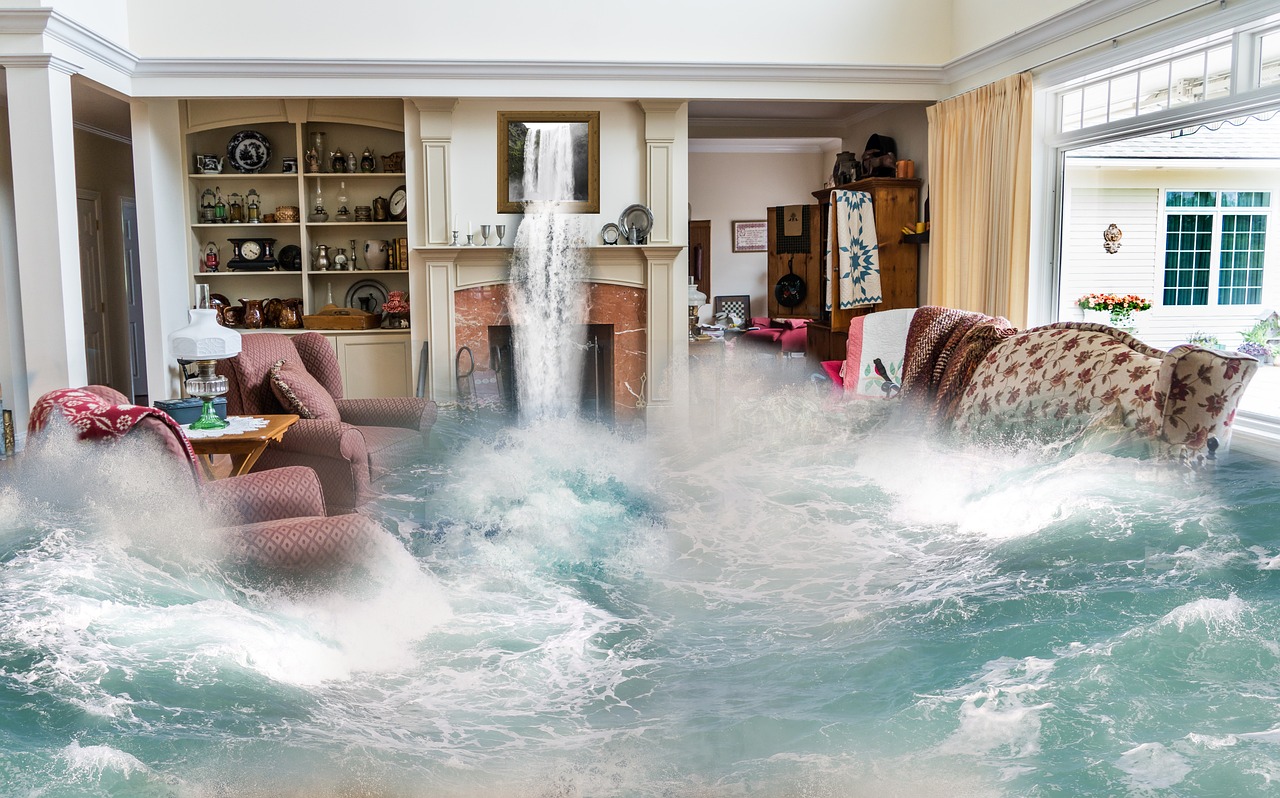
The process of effective water removal after the damage incident involves several important steps designed to minimize not just water but also the potential for mold and other secondary damages. It begins with a thorough assessment of the affected area, including a visual inspection and, in severe cases, moisture meter readings. This initial step is critical as it guides the subsequent actions, ensuring that every inch of water is located and the source addressed. Once identified, the water is removed using specialized equipment, such as pumps and vacuums, with particular attention paid to hard-to-reach areas and porous materials like carpets and drywall. In extreme cases, like a flood in Plano, carpet cleaning after flood damage becomes a priority to prevent the growth of mold and ensure the health and safety of the home's occupants.
After primary water removal, the focus shifts to drying out the space. This process involves placing dehumidifiers and air movers to circulate dry air, targeting areas where water has seeped or trapped. In cities like Houston, where humidity is high, this step is particularly important to prevent the growth of drywall mold. The use of specialized drying techniques is important, especially in enclosed spaces, to ensure every surface is thoroughly dried, minimizing the chance of mold or mildew development. This step also includes the careful removal and cleaning of any contaminated materials, such as drywall, which may have come into contact with contaminated water.
For areas beyond the reach of standard equipment, or in cases of extensive the damage, professional restoration services, like those offered by Property Restoration of the Capital Region, may be required. These services often involve specialized techniques, such as advanced drying methods and mold removal in Austin, to restore not only the structure but also the peace of mind of the affected property owners. The final step involves a thorough inspection to ensure that the property is safe and dry, with all moisture levels within acceptable limits. This meticulous process, which can take days to weeks, depending on the severity of the damage, underscores the importance of swift action and the expertise of professional restoration companies.
Eco-Friendly Options: Water Damage Restoration with Natural Approaches
The damage naturally refers to restoration techniques that avoid harsh chemicals and focus on eco-friendly solutions. This approach is gaining popularity as businesses and homeowners seek sustainable options for dealing with water-related issues, such as basement water seepage in Irving. Unlike traditional methods, natural restoration prioritizes the use of non-toxic materials and processes that minimize environmental impact. Some companies specialize in using enzymes to break down organic matter, effectively removing mold and mildew without leaving behind harmful residues.
In major cities like Houston and Austin, where commercial the damage restoration is a frequent concern, eco-friendly options are becoming more accessible. Property Restoration of the Capital Region, for example, offers a range of natural services, including water extraction with biodegradable absorbents and air drying to reduce humidity levels. These methods not only preserve the structural integrity of buildings but also ensure a healthier environment for occupants. A study by the Environmental Protection Agency (EPA) found that natural the damage restoration techniques can reduce greenhouse gas emissions by up to 40% compared to conventional methods, making them a more sustainable choice for both businesses and residences.
By embracing these natural approaches, restoration companies are not only contributing to environmental conservation but also gaining the trust of customers who prioritize eco-friendly practices. Austin-based the damage remediation experts often receive positive feedback for their commitment to using locally sourced, non-toxic cleaning agents. This trend reflects a growing consumer preference for green solutions, especially in the aftermath of severe weather events like floods, which are becoming more frequent and intense due to climate change. As a result, commercial and residential property owners are increasingly seeking out the damage restoration services that align with their values, ensuring that their properties are restored in an environmentally responsible manner.
Preventing Reoccurrences: Tips for Future Water Damage Avoidance in Boston Homes
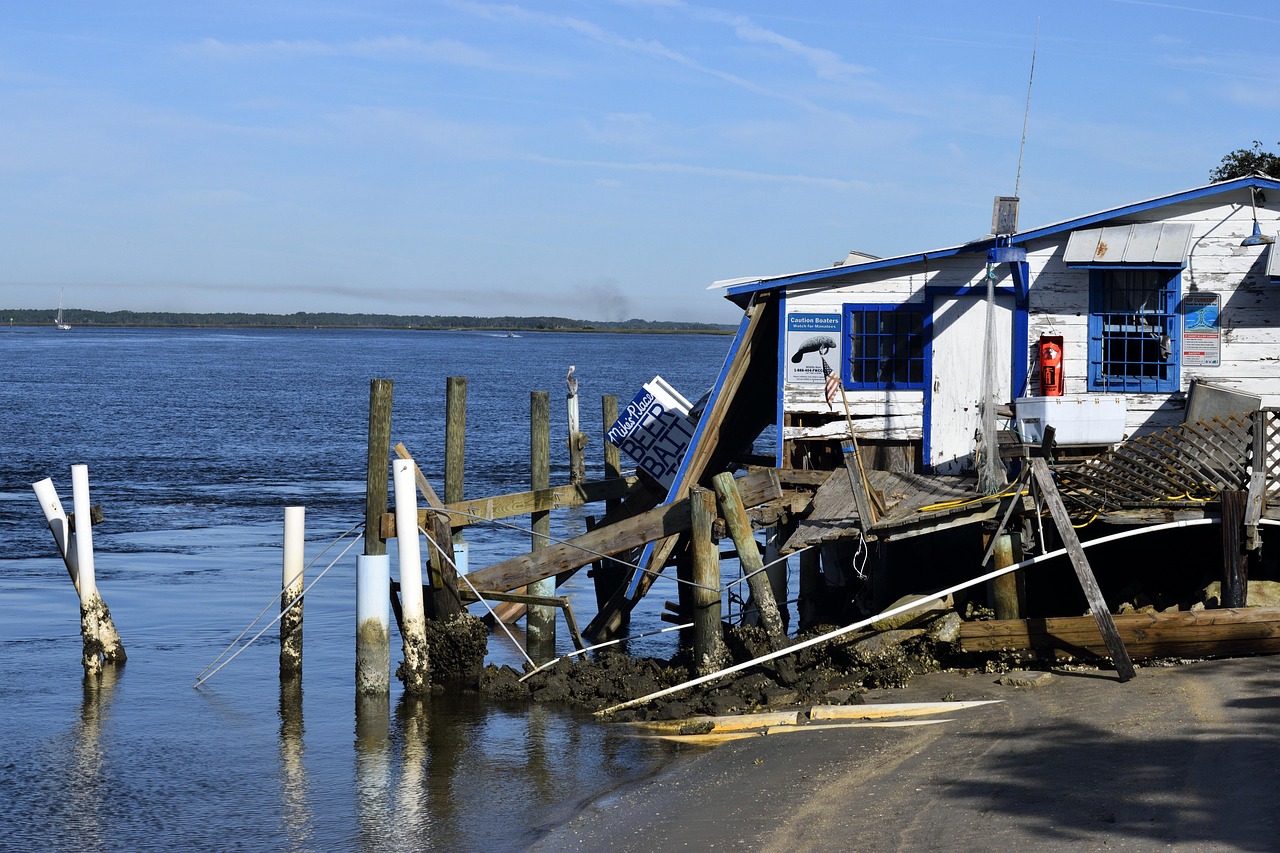
Preventing Reoccurrences: Tips for Future The damage Avoidance in Boston Homes
The damage is a common concern for Boston homeowners, with basement water seepage being one of the most frequent issues, according to a 2022 survey by the local chapter of the Homeowners Association. While emergency water removal services like those offered by Property Restoration of the Capital Region are invaluable in the aftermath of the damage, proactive measures can significantly reduce the likelihood of future incidents. By focusing on plumbing maintenance and regular inspections, Boston residents can prevent the damage before it happens.
a simple check of plumbing for leaks or clogs can go a long way. The average household leak can waste up to 10,000 gallons of water annually, according to the U.S. Environmental Protection Agency, and many of these leaks are preventable. Regular maintenance by a licensed plumber in Houston, such as checking for corrosion or replacing worn-out parts, can head off larger issues that might lead to the damage. The same goes for addressing basement water seepage in Irving early; a small leak can turn into a major disaster if left unattended.
homeowners should consider implementing disaster recovery strategies, like those provided by Austin-based experts, to ensure they're fully prepared for any water-related emergencies. This includes having a well-stocked emergency kit, backing up important data, and knowing the layout of local emergency services, like San Francisco Emergency Services or Atlanta The damage Experts, for swift response in the event of a flood. By combining these proactive measures with prompt action from disaster recovery services when necessary, Boston homeowners can protect their properties and minimize the damage.
Frequently Asked Questions About Reliable Water Removal Services Boston
What is the most common reason for seeking water removal services in Boston?
Many Boston homeowners and businesses require water removal due to basement flooding, whether from heavy rains, broken pipes, or sewage backups. Prompt action is important to prevent mold growth and structural damage. According to a 2022 study by the Massachusetts Department of Public Health, timely water mitigation services can significantly reduce health risks associated with water-damaged properties.
How do I know if I need professional water removal assistance?
If water has inundated your property and the damage extends beyond a few inches, professional help is recommended. Consider the extent of the flooding, the source, and the time elapsed since the incident. The longer water sits, the greater the potential for organic growth and the complexity of the cleanup. A reputable contractor will assess the situation, provide a detailed estimate, and offer expert solutions tailored to your needs.
What should I do immediately after a water emergency?
Ensure everyone's safety by evacuating the affected area. Turn off the main water supply to prevent further leakage. Document the damage with photos or videos for insurance purposes. Contacting a 24/7 emergency service is important; many providers offer immediate response times. The faster you act, the easier and more affordable the restoration process becomes.
Are there any local regulations governing water removal in Boston?
Boston adheres to stringent building and health codes, including those related to water removal and restoration. All contractors must be licensed and insured, as per city regulations. The Boston Building Department oversees compliance, ensuring services meet safety and environmental standards. Homeowners are advised to verify a contractor's credentials and ask for references to ensure a reliable and lawful service.
How do I choose a reputable water removal company in Boston?
Look for companies with a proven track record, customer testimonials, and positive online reviews. Check their certifications and affiliations with industry associations like the Institute of Inspection, Cleaning and Restoration Certification (IICRC). Reputable firms will provide detailed pricing, offer emergency services, and guarantee their work. Verifying their insurance and asking for references are also essential steps in making an informed choice.
What is the average cost of water removal services in Boston?
The cost of water removal varies based on the size of the property, the extent of damage, and the complexity of the cleanup. On average, expect to pay between $500 and $2,000 for basic water removal and drying services. For severe cases involving structural damage or mold remediation, costs can surge to $5,000 or more. It's important to obtain a detailed quote from a qualified contractor before initiating any work.
As we've explored, the damage in Boston homes is a common—yet often overlooked—issue with significant implications. Understanding the causes, from burst pipes to severe weather, is the first step in effective prevention and mitigation. Knowing the signs of the damage requiring professional intervention empowers homeowners to act swiftly, minimizing secondary damage and costs.
Assessing the extent of water intrusion and its impact on your property is important. This evaluation guides tailored water removal strategies, ensuring the fastest possible restoration. The good news is, modern the damage restoration services in Boston offer both efficient and eco-friendly options, leveraging advanced techniques and natural approaches.
Implementing preventive measures, like regular plumbing checks and efficient drainage systems, is key to deterring future the damage. By combining professional expertise with natural, water-damage-naturally solutions, Boston homeowners can safeguard their properties and reduce the risk of costly repairs. The insights gained here provide a solid foundation for proactive water management, ensuring peace of mind and the preservation of your most precious assets.
The damage in Boston, driven by climate, aging infrastructure, and outdated systems, affects 60% of properties. Regular inspections, sealing basement walls, modern insulation, and prompt professional response are key to mitigation. Natural the damage restoration methods using non-toxic materials are gaining popularity for their environmental benefits. Proactive maintenance and disaster recovery planning significantly reduce reoccurrences.