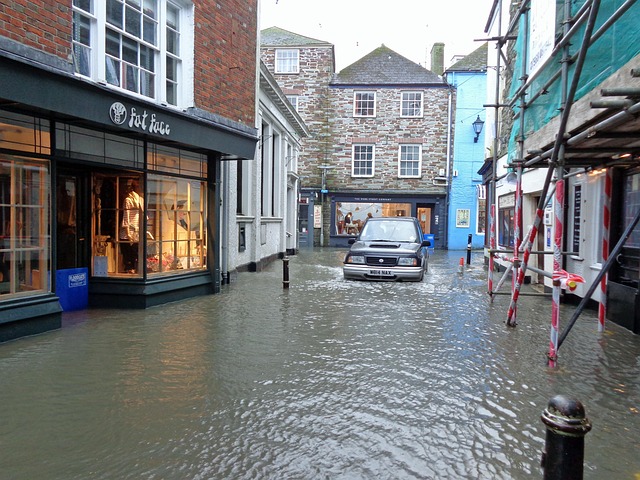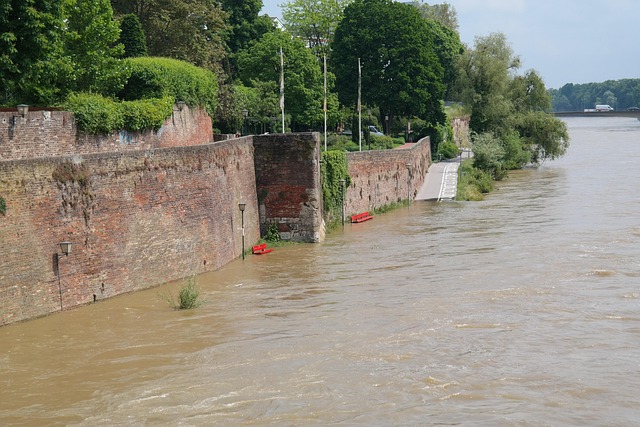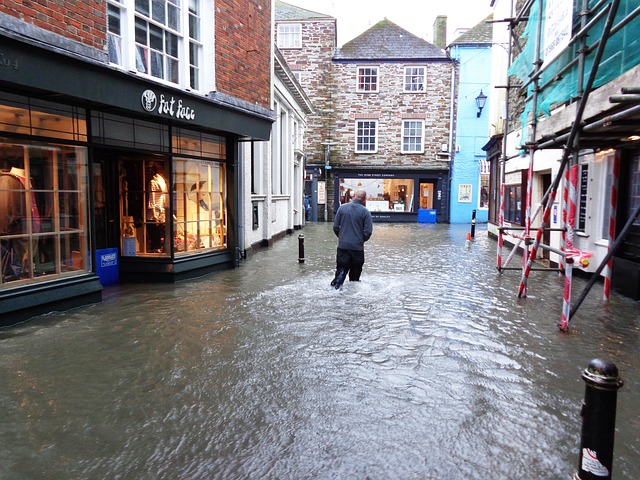





Flooding is a pressing concern for Dallas residents, causing significant water damage that demands immediate attention. Prompt and effective cleanup is crucial to mitigate the impact of moisture on structures and personal belongings. In such emergencies, understanding natural solutions for flood cleanup can be invaluable. This article delves into the most effective methods for addressing water damage naturally, offering a comprehensive guide tailored to the unique challenges faced by Dallas homeowners and professionals alike. By exploring eco-friendly alternatives and proven strategies, we empower our readers with the knowledge needed to tackle floods head-on, ensuring not just property restoration but also a healthier environment.
- Assessing Water Damage in Dallas: Initial Steps
- Natural Cleanup Methods for Flooded Homes
- Restoring Dallas: Long-Term Recovery Strategies
Assessing Water Damage in Dallas: Initial Steps
Assessing water damage in Dallas is a critical step in effective flood cleanup. The initial assessment determines the extent of the damage and guides the restoration process. It’s essential to understand that water damage can vary greatly, from minor moisture intrusion to complete submersion. Homeowners and business owners in Dallas should start by documenting the affected areas, noting the sources of water entry, and evaluating the level of damage to structures and contents.
For instance, drywall water damage repair Corpus Christi professionals often encounter varying degrees of impact. Light water exposure may only require surface drying, while severe flooding can lead to structural degradation necessitating complete removal and replacement. Commercial carpet drying Austin services are crucial for businesses facing large-scale water damage, aiming to minimize downtime and protect valuable assets. In cases of extensive water damage, engaging the expertise of reliable water damage contractors San Antonio is essential. These professionals bring specialized equipment and knowledge to expedite the cleanup and restoration process.
A comprehensive assessment should also consider hidden areas prone to moisture accumulation, such as crawl spaces, attics, and walls behind furniture. Tools like moisture meters and thermal imaging cameras can aid in identifying these problem zones. Property Restoration of the Capital Region emphasizes that timely action is paramount. Rapid response reduces the risk of mold growth, structural damage, and secondary water damage, ensuring a more efficient and cost-effective restoration process for both residential and commercial properties in Dallas.
Natural Cleanup Methods for Flooded Homes
Flooding can cause extensive water damage to homes, but there are natural cleanup methods that residents in Dallas can employ to mitigate the impact. The first step is to stop the water source if possible, such as turning off the main valve or repairing a plumbing leak in Fort Worth. Once the immediate threat has passed, it’s crucial to begin extraction of standing water using professional equipment like those offered by water extraction specialists in San Antonio. This rapid action can prevent mold growth and structural damage.
After water extraction, drying out the affected areas is essential. This involves more than just leaving windows open; it requires controlled air movement and temperature regulation. Professional carpet cleaning services in Plano, after assessing for latent moisture, can help restore carpets to their pre-flood condition. Similarly, property restoration experts like Property Restoration of the Capital Region recommend using natural de-humidifiers and ventilators to expedite drying. This multi-step approach ensures that water damage is treated naturally and effectively, minimizing both short-term and long-term risks associated with floodwater.
It’s important to note that water from floods can carry contaminants, including bacteria, chemicals, and sewage. Therefore, personal protective equipment (PPE) should be worn during cleanup. Additionally, a thorough cleaning of all surfaces and items within the affected area is necessary to prevent health issues. Property owners should document the entire process for insurance claims and consider professional assistance for more severe cases of water damage naturally.
Restoring Dallas: Long-Term Recovery Strategies
Dallas, like many cities across Texas, knows all too well the destructive power of floods. Rapid recovery is crucial not just to restore homes and businesses but also to rejuvenate communities and support local economies. Beyond immediate emergency response, long-term strategies for flood recovery are essential. One key aspect often overlooked in this process is natural water damage restoration techniques that prioritize environmental friendliness and sustainable rebuilding.
Successful long-term recovery involves a multi-faceted approach. For instance, San Antonio’s experience with water damaged wood restoration showcases the importance of using eco-friendly methods to preserve historical structures while mitigating environmental impact. Similarly, professional water extraction specialists in Corpus Christi play a vital role in minimizing secondary damage and mold growth by swiftly removing standing water from affected areas. These specialists often employ advanced equipment and techniques that are more effective than traditional methods, ensuring faster and cleaner recovery.
Property Restoration of the Capital Region underscores the value of integrating green restoration practices into flood recovery plans. Natural water damage restoration not only reduces environmental strain but also promotes healthier living spaces by minimizing exposure to harmful chemicals used in some conventional cleanup processes. By adopting these strategies, Dallas can exemplify resilient, sustainable recovery, ensuring that the city’s infrastructure and residents emerge stronger from future flooding events. This holistic approach encourages collaboration between local authorities, businesses, and restoration experts to create a more adaptable and resilient community.
In addressing urgent flood cleanup in Dallas, this article has provided a comprehensive roadmap for both immediate and long-term recovery efforts. By delving into assessing water damage, exploring natural cleanup methods, and discussing robust recovery strategies, readers now possess the knowledge to navigate the aftermath of floods effectively. Key insights include prioritizing safety during initial assessments, leveraging natural cleanup techniques like vinegar and baking soda for minimal environmental impact, and implementing structured, community-driven recovery plans. Understanding the importance of water damage naturally is a game-changer, enabling residents to restore their homes and neighborhoods with both efficiency and care. This authority on the topic equips Dallas residents with practical tools and encourages proactive participation in their community’s resilience.
Water Damage Assessment and Restoration in Dallas:
1. Initial Assessment: Critical for determining water damage extent, guiding restoration process. Varies from minor moisture to complete submersion.
2. Documentation and Evaluation: Homeowners/businesses should document affected areas, sources of water entry, and structural/content damage.
3. Professional Help: Engaging reliable contractors (e.g., Corpus Christi, San Antonio) for specialized equipment and knowledge expedites cleanup, minimizes downtime, and protects assets.
4. Timely Response: Rapid action reduces mold growth, structural damage, and secondary water damage, ensuring cost-effective restoration.
5. Natural Water Damage Restoration: Using eco-friendly methods (e.g., San Antonio’s wood restoration, Plano’s carpet cleaning) minimizes environmental impact and promotes healthier living spaces.
6. Long-Term Strategies: Dallas should adopt sustainable rebuilding practices to exemplify resilient recovery from future flooding events.