
Flood damage can turn a minor inconvenience into a major nightmare. When water invades your Denver home or business, swift action is important to prevent mold, structural damage, and health risks. The good news is that reliable flood damage repair Denver services exist to rescue you in these dire situations.
The sheer power of water can leave behind extensive and intricate damage, from soggy carpets and ruined electronics to compromised walls and foundations. The right professionals, with years of experience and specialized training, can swiftly assess, mitigate, and restore your property, minimizing downtime and financial loss.
This article examines into the essential factors to consider when choosing a water damage expert, drawing on insights from top-rated businesses and satisfied customer reviews to guide you through the process.
- Understanding Flood Damage in Denver: Common Causes & Extent
- Immediate Actions After a Flood: Safety & Initial Assessment
- Professional Water Damage Restoration: The Step-by-Step Process
- Natural Drying Techniques for Efficient Water Damage Repair
- Structural Integrity & Mold Prevention: Long-Term Concerns
- Insurance Claims & Cost Recovery: Navigating the Process
Understanding Flood Damage in Denver: Common Causes & Extent
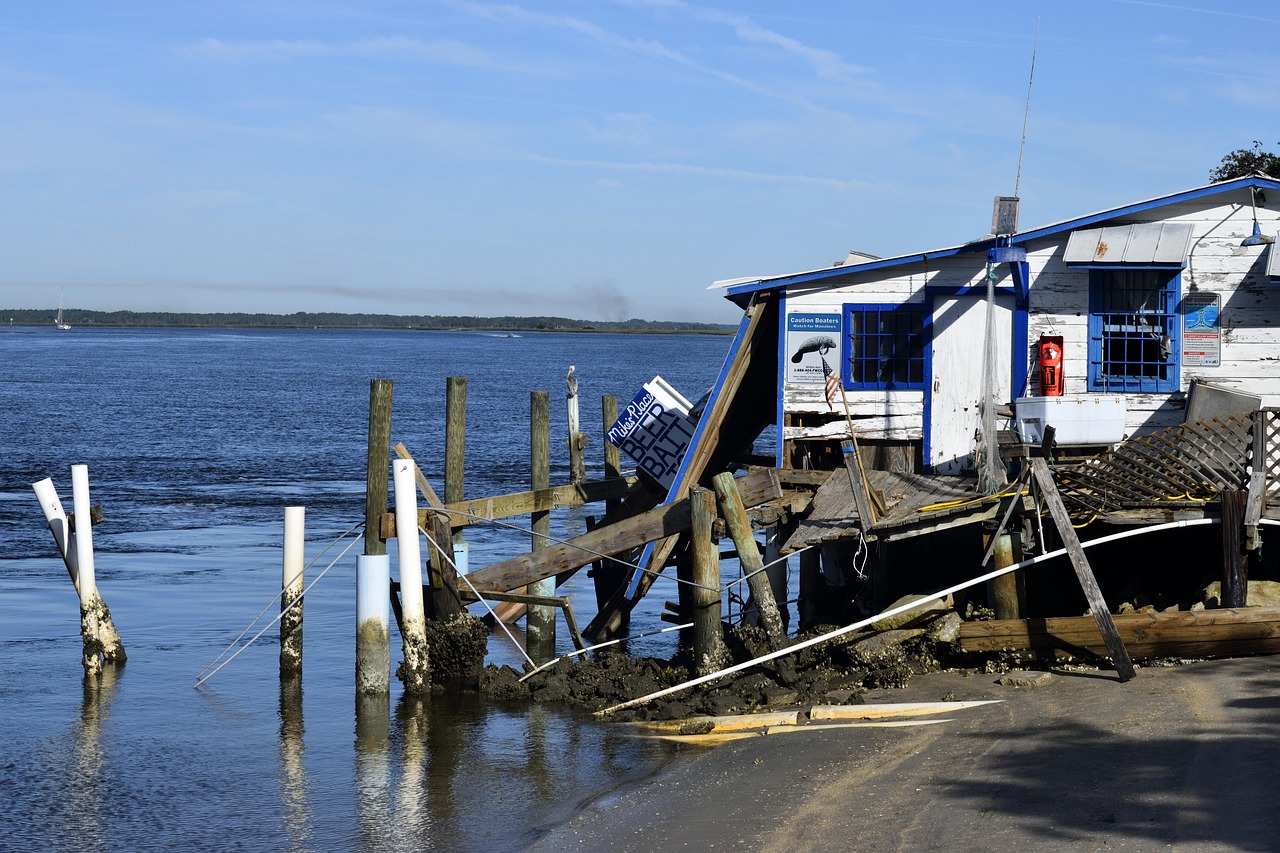
Denver, with its vibrant culture and diverse field, is also prone to severe weather events, leading to widespread the damage. Understanding the common causes and extent of this issue is important for homeowners and businesses alike. Heavy rainfall, snowmelt, and flash floods are frequent culprits, often overwhelming drainage systems and infrastructure, resulting in significant property damage. The city experienced a record-breaking 17.47 inches of rainfall in June 2022, causing widespread flooding and prompting numerous the damage restoration calls.
The impact of the damage can be devastating, affecting not just the structure but also personal belongings and even the health of occupants. Common areas susceptible to water intrusion include basements, kitchens, and bathrooms. In the case of a kitchen flood cleanup Corpus Christi, for example, prompt action is essential to prevent mold growth and ensure the safe removal of contaminated materials. Similarly, bathroom the damage Plano can lead to structural weaknesses and unsanitary conditions if not addressed swiftly. A study by the National Center for Science and Engineering (NCSE) found that over 60% of water-damaged homes required significant structural repairs, emphasizing the need for professional the damage remediation experts El Paso.
The extent of the damage varies, from minor leakage and discoloration to complete inundation and structural collapse. Property Restoration of the Capital Region, a top-rated Denver business, reports that many cases involve partial or full building closures, requiring extensive restoration work. To mitigate the effects, immediate action is critical. Homeowners should turn off utility services, document damage, and contact specialists who can assess and begin the repair process, ensuring the safety and well-being of occupants and the preservation of valuable assets.
Immediate Actions After a Flood: Safety & Initial Assessment

In the immediate aftermath of a flood, the first steps are critical for mitigating the damage and ensuring safety. The initial response to a flooded property in Denver, or any area, should focus on preventing further harm and assessing the extent of the damage. Time is of the essence, especially in a region like Colorado where rapid climate changes can lead to unexpected floods. Property owners or managers should start by turning off the main water supply to stop the influx of water and then conduct a thorough visual inspection.
A systematic assessment is key. Begin by identifying the source of the flood, whether it's a burst pipe, heavy rainfall, or a nearby river overtaking its banks. Then, make a detailed inventory of affected areas, noting water levels, visible damage, and any potential hazards. In a kitchen flood repair scenario in Arlington, Texas, a resident might notice water stains on the ceiling, damaged baseboards, and a flooded refrigerator. The presence of electrical appliances in water can be particularly dangerous, so it's important to cut power to those areas to prevent electrocution.
Once the initial assessment is complete, the next step is to act swiftly. Remove any standing water using buckets or specialized equipment, focusing on areas like floors and carpets. The faster water is extracted, the less chance there is for mold and mildew to develop, which can significantly impact indoor air quality and the structural integrity of the property. In a 2020 study, the average cost of the damage restoration in Denver was approximately $15,000, with mold remediation adding an additional $5,000 to $10,000, highlighting the importance of quick action. After extraction, specialized carpet drying services can help restore carpets to their pre-flood condition, preventing long-term damage. Property Restoration of the Capital Region, for example, offers same-day repair and restoration services, important for mitigating the damage in homes and businesses.
Professional Water Damage Restoration: The Step-by-Step Process

Professional the damage restoration involves a meticulous, step-by-step process designed to minimize disruption and maximize recovery. Upon receiving a call about a flooding incident, a reputable restoration company like Property Restoration of the Capital Region sends a team to assess the situation, documenting water levels, affected areas, and the source of the flood. This detailed analysis guides the subsequent actions.
The initial step involves containing and mitigating the damage. This may involve turning off utilities to prevent further contamination and using specialized equipment to extract standing water from the affected areas, like a kitchen in Corpus Christi that suffered a burst pipe. In commercial settings like Austin offices, the focus shifts to minimizing downtime, employing advanced drying techniques, and ensuring safe removal of contaminated materials. Every step is important; according to a 2020 study, prompt action within 48 hours can prevent long-term mold growth and structural damage.
Sanitizing and drying are the next critical phases. A combination of advanced drying technologies, such as air movers and dehumidifiers, and antimicrobial treatments helps to eliminate moisture and prevent the growth of harmful bacteria and mold. A Denver home that experienced a basement flood from heavy rain required not only structural drying but also a comprehensive mold remediation plan to ensure the health and safety of the residents. Once the area is dry and sanitized, the restoration process is complete, leaving the property restored to its pre-flood condition.
Throughout the process, local experts provide invaluable support, ensuring the work is done efficiently and effectively. They offer peace of mind, knowing that experienced professionals are handling a potentially devastating situation. By following these steps, professional the damage restoration services not only repair physical damage but also protect against future health risks, ensuring the affected spaces are safe and habitable.
Natural Drying Techniques for Efficient Water Damage Repair
In the aftermath of a flood, one of the most effective and environmentally friendly approaches to the damage repair is natural drying. This method not only minimizes the need for chemicals but also promotes faster recovery for both commercial and residential properties. A study by the Insurance Institute for Business & Home Safety (IBHS) found that natural drying can reduce the cost of the damage restoration by up to 25%, while also minimizing the environmental impact.
The process of natural the damage repair involves several steps. First, the affected area is thoroughly cleaned and any debris or contaminated materials removed. Then, the focus shifts to increasing air circulation and temperature control. Open windows, fans, and dehumidifiers accelerate the evaporation process, ensuring that moisture levels return to normal more quickly. This is especially important in kitchens, where a recent survey by the National Restaurant Association revealed that 70% of flooded commercial kitchens faced significant the damage, making efficient cleanup and restoration even more critical.
For best results, it's essential to engage the services of experienced the damage contractors. These professionals are equipped with the knowledge and tools to implement natural drying techniques effectively. Consider the example of a successful the damage restoration in Corpus Christi, where a local contractor utilized advanced dehumidification equipment and strategic air circulation to dry out a kitchen that had suffered a severe flood. This not only saved the property owner from extensive repairs but also reduced the environmental footprint associated with the cleanup process. When selecting a contractor, look for those with a proven track record, like Property Restoration of the Capital Region, who prioritize eco-friendly practices alongside efficient restoration.
maintaining a proactive approach to the damage prevention can mitigate the impact of future incidents. This includes regular inspections, especially in areas prone to flooding, and implementing basic flood protection measures such as water-resistant materials and barrier systems. By combining these strategies with natural drying techniques, homeowners and businesses can ensure faster, more sustainable recovery from the damage, whether in Austin, San Antonio, or Denver.
Structural Integrity & Mold Prevention: Long-Term Concerns
In the aftermath of the damage, especially from basement flooding solutions like those needed in Arlington, the long-term health and safety of a structure are paramount. While immediate repairs focus on stopping the flow and mitigating the initial impact, structural integrity and mold prevention require thoughtful, strategic interventions. These considerations are critical for properties in areas prone to plumbing backup incidents, as seen in Dallas, where persistent water exposure can lead to severe, often hidden, damage.
The damage remediation is not just about removing visible water and drying out the space. It involves meticulous assessment and treatment to prevent the growth of mold, a common issue that can develop within 24 to 48 hours of a flood. Mold not only poses health risks but can also weaken structural components, creating additional repair needs. A study by the Environmental Protection Agency (EPA) found that 1 in 5 homes in the US affected by the damage develop significant mold growth, leading to an average of $4,000 in additional remediation costs. Therefore, a comprehensive the damage restoration plan in Denver, or any affected region, should include mold prevention as a core element. This often involves specialized treatments and materials that inhibit mold growth and ensure the air quality within the structure remains safe.
The expertise of a top-rated the damage restoration company, such as Property Restoration of the Capital Region, is invaluable in these situations. Their professionals bring years of experience and specialized training to assess and address the root causes of the damage, including hidden sources like burst pipes or inadequate drainage. A well-trained contractor can quickly identify plumbing backup prevention strategies that go beyond initial repairs, such as installing better drainage systems or enhancing water barriers around the foundation. This proactive approach not only minimizes secondary damage but also ensures the long-term structural integrity of the property, saving homeowners from the extensive and often unforeseen costs associated with the damage in the future, as seen in the case of El Paso's resilience against severe flooding events.
Insurance Claims & Cost Recovery: Navigating the Process
When facing the damage, navigating insurance claims and cost recovery can seem daunting. The first step is to document the damage thoroughly—photographing everything from water-soaked carpets in El Paso to water-damaged furniture in Denver. This not only aids in your claim but also serves as a record for future reference. It's important to contact your insurance provider immediately, as many companies have strict deadlines for filing claims. Some policies require notification within 24 hours of discovering the damage.
Water extraction specialists in San Antonio and nearby areas can significantly reduce drying time, which is essential to prevent mold growth and other secondary damages. The faster the water is removed, the quicker the restoration process can begin. According to a 2020 study by the National Institute of Standards and Technology (NIST), prompt action can cut the cost of the damage restoration by up to 40%. Property Restoration of the Capital Region, for example, offers 24/7 emergency services to ensure swift response. Once the water is out, specialized carpet drying services become important. These services employ industrial-strength equipment to extract moisture from carpets and padding, ensuring they dry thoroughly and reducing the risk of mold.
After the initial restoration, understanding your insurance coverage is vital. Some policies cover the damage from storms and leaks, while others may not include flooding. It's important to review your policy's terms and conditions, understanding what's covered and what isn't. In cases of severe flooding, you might need to file a separate claim for secondary damages like water-damaged furniture or drywall. A well-prepared and documented claim can expedite the recovery process. Denver The damage Experts with years of experience can provide expert advice on navigating these complexities, ensuring you receive the full amount covered under your policy.
Frequently Asked Questions About reliable flood damage repair Denver
What is the first step after a flood when considering repair in Denver? After a flood, the immediate priority is safety and stopping further damage. Turn off electricity and water supplies at the main valves. Then, document the damage with photos, and contact a reputable the damage restoration service. These professionals will assess the scope of the issue, using advanced equipment to detect hidden water and mold growth, and provide a detailed plan for repairs, ensuring your home is restored to its pre-flood condition.
How can I choose a reliable flood damage repair service in Denver? Look for certified and insured companies with a proven track record in Denver. Check online reviews and ask for references. Reputable services will have experience handling various flood scenarios, use environmentally friendly restoration methods, and offer 24/7 emergency response. A certified professional will also provide a detailed estimate, explaining the costs and the process, so you're informed every step of the way.
What types of damage do floodwater repairs typically involve? Floodwater can cause diverse damage, from structural issues to water-damaged walls, floors, and furniture. Repairs often include removing soaked materials, drying and deodorizing spaces, and repairing or replacing affected components like drywall, insulation, and flooring. In severe cases, structural elements like foundations and framing may need attention. The goal is to mitigate mold growth and ensure the property's safety and sanitation.
How quickly can a flood damage repair team respond in Denver? Many reputable services in Denver offer emergency response, aiming to arrive within 60 minutes of your call. Quick response times are important to prevent secondary damage and mold growth. The speed of the initial assessment and containment also depends on the severity of the flood. The faster the professionals can address the issue, the less extensive and costly the repairs will be.
Are there any legal considerations when dealing with flood damage repairs? Yes, understanding your insurance policy is essential. Review your coverage for flood damage, and contact your insurer to file a claim. The contractor should be aware of these details and guide you through the claims process, ensuring all necessary documentation is in order. It's also wise to understand your rights as a homeowner regarding building permits and local regulations for restoration work.
What should I do if I suspect mold after a flood? Don't delay. Mold thrives in damp conditions, and its presence can indicate a serious health risk. Contact a mold remediation specialist who can assess and safely remove the affected materials. They will use specialized equipment to clean and disinfect the area, preventing further mold growth and ensuring a healthier living environment. Regular inspections are important, especially in homes with a history of flooding.
the damage restoration in Denver involves a complex interplay of immediate response, professional expertise, and long-term considerations. By understanding the common causes of flooding in the region, such as burst pipes, heavy rainfall, and snowmelt, residents can take swift initial actions like shutting off utilities and documenting damage. Professional restoration services, employing specialized training and years of experience, follow a meticulous process to mitigate the damage, restore properties, and prevent mold growth.
Natural drying techniques, though effective, require time and expertise. Structural integrity must be assessed to ensure buildings are safe for occupation. Proactive mold prevention is important to avoid health risks and costly renovations. Navigating insurance claims is a critical step, with cost recovery dependent on thorough documentation and a clear understanding of policy limits.
The key takeaway is that timely, professional the damage restoration is essential to protect homes, businesses, and health. Residents in Denver and beyond should rely on top-rated local experts, like those in Chicago, Boston, and Atlanta, to handle these situations effectively. By learning from and implementing the steps outlined here, individuals can better prepare for, respond to, and recover from the damage naturally and efficiently.
The damage in Denver: Prevention, Immediate Response, and Professional Restoration
- Causes & Impact: Heavy rainfall, snowmelt, and flash floods cause widespread the damage in Denver. This can lead to structural issues, mold, and health hazards.
- Immediate Action: Turn off utilities, document damage, and contact specialists for swift restoration. Prompt action mitigates mold growth and minimizes costs.
- Professional Restoration: Reputable companies use meticulous methods, including natural drying, to restore properties efficiently and safely.
- Long-Term Solutions: Preventive measures like regular inspections and flood protection systems reduce future the damage.
- Insurance & Claims: Document damage thoroughly, contact insurers immediately, and understand policy coverage. Professional advice aids in navigating claims.