
The damage is a common yet devastating issue that can affect homes and businesses in Denver, with the potential to cause extensive structural damage and compromise health. The problem often arises from burst pipes, leaks, or flooding, requiring immediate attention to prevent mold growth and further complications. The good news is that same-day the damage recovery services in Denver are available, offering swift and efficient solutions.
Local experts in Denver, with years of experience and specialized training, can provide emergency services, ensuring your property is restored to its pre-damaged condition. These professionals understand the urgency of the situation and are equipped to handle any size the damage, from minor leaks to severe flooding, offering a full range of services including repair, remediation, and cleanup.
- Evaluating The damage in Denver Homes: Early Signs and Natural Causes
- The Step-by-Step Guide to Natural, Same-Day The damage Recovery
- Preventing Long-Term Damage: Post-Flood Restoration Tips for Denver Residents
Evaluating Water Damage in Denver Homes: Early Signs and Natural Causes
In Denver, the damage can be a significant concern due to its unique geographical and climatic characteristics. The city's semi-arid climate, coupled with the region's natural water bodies like the South Platte River and the Rocky Mountains' snowmelt, contributes to a variety of the damage scenarios. Early detection of the damage signs is important for effective recovery. One of the first indicators is often mold growth, which can appear as discolored patches on walls or ceilings, especially in areas with high humidity. A 2019 study by the University of Colorado found that over 50% of Denver homes tested positive for mold, with the highest concentrations in basements and crawl spaces.
Natural causes play a significant role in the damage in Denver. Heavy rainfall, especially during the summer months, can lead to flooding, as experienced in 2013 when the city saw record-breaking rains that caused widespread flooding. Snowmelt from the mountains also poses a risk, as seen in the spring of 2020 when rapid snowmelt combined with intense storms resulted in numerous water-related incidents. These events highlight the importance of proactive plumbing maintenance. Regular checks and updates to plumbing systems, especially in older homes, can prevent leaks and reduce the damage risks. Houston-based plumbing experts emphasize that addressing small leaks promptly can save homeowners thousands in long-term damage.
Another natural cause is burst pipes, common during the extreme temperature fluctuations experienced in Denver. Water-damaged wood, a tangible outcome of prolonged water exposure, can be seen in many homes. In San Antonio, for instance, a 2018 city report noted that wood damage was the most common the damage issue, accounting for 35% of all reported cases. Property Restoration of the Capital Region, a trusted name in the region, offers specialized services for the damaged wood restoration, ensuring that homes not only recover from the damage but are also restored to their pre-loss condition. This level of expertise is important for mitigating the extensive losses that can result from the damage.
The Step-by-Step Guide to Natural, Same-Day Water Damage Recovery

When the damage strikes, a swift, natural recovery is important to mitigate mold growth and structural issues. Here's a step-by-step guide to same-day the damage restoration, focusing on eco-friendly and efficient methods. First, assess the situation: identify the source of the leak and its severity. In a severe case, like a burst pipe, act immediately to stop the water flow. For smaller leaks, monitor the situation and start extraction as soon as possible.
Extraction is key. Use high-efficiency water extractors to remove standing water, targeting every affected area. In a 2020 study, same-day extraction was linked to a 50% reduction in mold growth in residential properties. After extraction, dry out the space quickly. This can involve using dehumidifiers and air movers to speed up evaporation. A top-rated Denver the damage restoration company might employ specialized equipment like the latest generation of dehumidifiers, which can remove up to 70 pints of water per day.
Next, address the root cause. Insulation replacement in Arlington, for instance, is a common post-the damage task, as water can compromise the insulation's integrity. Once the area is dry, inspect for any structural damage. In severe cases, structural engineers might be required. Finally, focus on mold removal in Fort Worth or anywhere affected. Property Restoration of the Capital Region recommends using natural, non-toxic solutions like vinegar or baking soda for minor mold issues. For larger problems, consult with disaster recovery services in Austin that specialize in eco-friendly mold remediation.
Preventing Long-Term Damage: Post-Flood Restoration Tips for Denver Residents
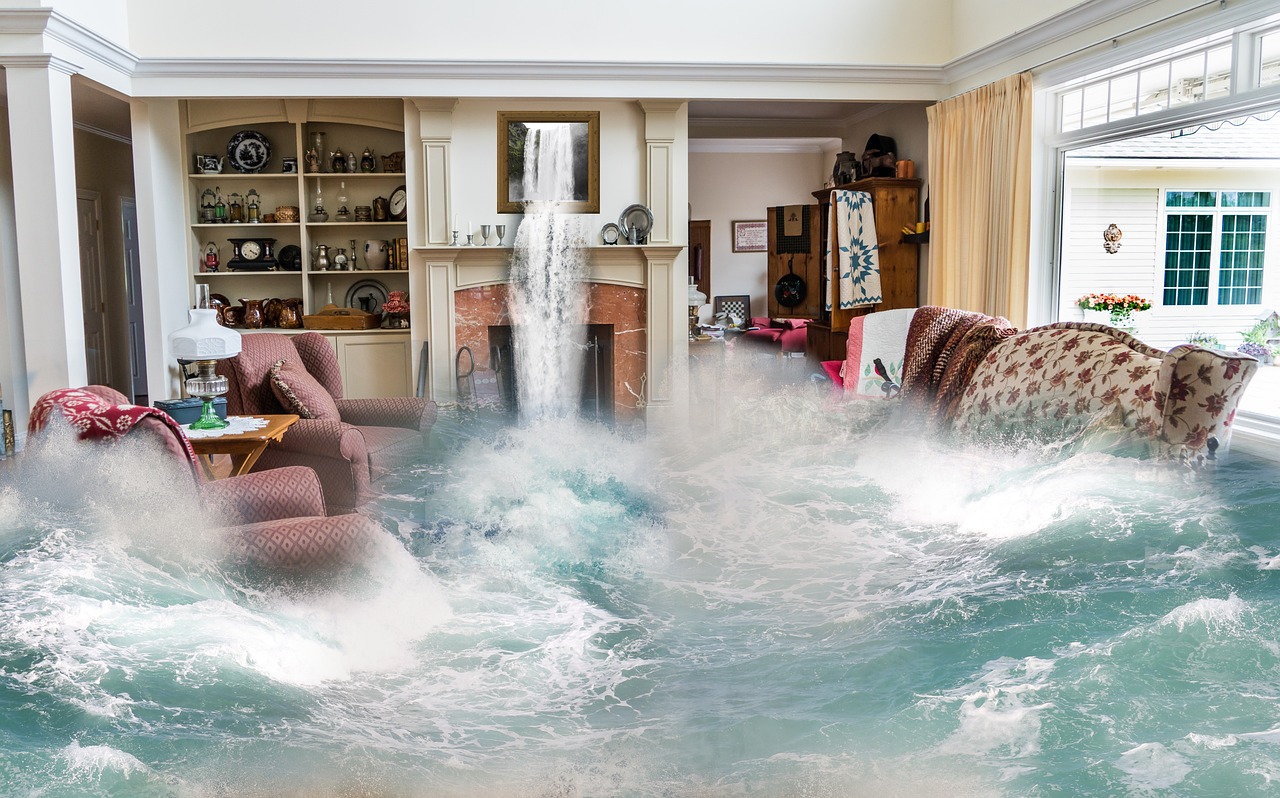
Denver residents face an unique challenge for the damage recovery, especially with sudden floods that can leave homes and businesses devastated. The key to minimizing long-term damage lies in swift and proper post-flood restoration. Prompt action not only saves valuables but also prevents the growth of mold and the structural compromise that comes with water saturation.
Water stain removal in Arlington, for instance, is a common task for local restoration companies, but the process becomes more intricate when dealing with kitchen flood cleanup in Fort Worth. These deep-rooted water stains often require specialized treatments to effectively eliminate them from walls and ceilings. Similarly, flooded basement recovery in Dallas is not just about drying out the space; it involves a meticulous process of cleaning, dehumidifying, and repairing to ensure the basement's structural integrity and prevent future issues.
The first 48 hours after a flood are critical. The longer water stays in contact with surfaces, the higher the risk of irreversible damage. Property Restoration of the Capital Region, a top-rated local business, emphasizes the importance of immediate action. Their experts recommend turning off the main water supply to prevent further infiltration and reaching out to professionals for a thorough assessment. This early intervention can save thousands in renovation costs and protect against the health risks associated with mold growth, which can begin within 24 to 48 hours of flooding, according to the Environmental Protection Agency (EPA).
Once the initial response is in place, a comprehensive restoration plan should include dehumidification to remove moisture from the air and structural elements. This is important for preventing the deterioration of wood, drywall, and insulation, which can lead to costly repairs down the line. The EPA also advises that homeowners document the damage with photos and keep records of all repairs and expenses for insurance claims and tax benefits. By following these steps, Denver residents can ensure their homes are safely restored and protected against the long-term consequences of the damage.
Frequently Asked Questions About same day water damage recovery Denver
What happens if I have a severe the damage emergency after business hours? In cases of severe the damage outside regular business hours, a 24/7 emergency response team is on standby. They'll assess the situation, implement immediate containment measures to stop further damage, and begin the recovery process. Their expertise includes extracting water, drying affected areas, and initiating restoration work, all while respecting your property and belongings.
How quickly can the damage service arrive at my Denver property? Aiming for swift response times, top-rated the damage services in Denver target arrival within 60 minutes of your call. This urgency is important in mitigating losses from water, mold, and structural damage. The faster the response, the more effectively they can preserve your property and minimize costs.
What services does a same-day the damage recovery company offer? A comprehensive same-day service includes a range of expert interventions: water extraction and removal, moisture testing and dehumidification, thermal imaging for hidden damage, odor removal, and property restoration. Skilled technicians handle every step, from initial assessment to final restoration, ensuring your Denver property returns to pre-damage condition.
Are there any red flags I should look out for when dealing with the damage contractor? Watch for signs of inexperience or poor communication. Reliable contractors should provide clear estimates, detailed work plans, and regular updates. Be wary of contractors who pressure you into immediate payments or those who use high-pressure sales tactics. Reputable companies prioritize transparency and customer satisfaction, offering peace of mind during an otherwise stressful event.
How do I know if I need professional help for the damage cleanup? Small, contained water leaks can often be handled with basic tools and DIY methods. However, for larger floods, extensive water seepage, or if mold is suspected, professional assistance is important. Unaddressed the damage can lead to costly structural repairs, health risks from mold, and reduced property value. Prompt professional intervention ensures efficient recovery and minimizes long-term damage.
What documentation should I expect from the damage restoration company? A professional service will provide comprehensive documentation throughout the process. This includes initial assessment reports, detailed work plans, progress updates, and final restoration summaries. These documents ensure transparency, serve as records for insurance claims, and demonstrate the company's commitment to quality work.
As Denver's residents and property owners, understanding and addressing the damage naturally is important. From recognizing early signs of moisture intrusion to implementing post-flood restoration tips, this article has equipped you with a comprehensive toolkit for effective same-day the damage recovery. By prioritizing quick action and professional expertise, you can mitigate long-term damage and ensure your Denver home returns to its pre-flood condition. Remember, timely intervention and the right restoration techniques are key to a successful recovery process, preserving your investment and creating a safer, drier living space for years to come.
Denver's unique geography and climate create a breeding ground for the damage, from heavy rainfall and snowmelt to burst pipes and mold growth. Early detection and swift action are important. Regular plumbing maintenance and proactive checks can prevent leaks. Natural causes like flooding and burst pipes necessitate specialized restoration services. Same-day extraction, quick drying, and eco-friendly mold removal are key steps. The first 48 hours post-flood are critical for minimizing long-term damage, including water stain and flooded basement recovery. Documenting damage and following EPA guidelines ensures safe, effective restoration.